

Augustine vs. Celtic Christianity - Part 3
Why What We Believe About Creation Matters For Justice + What's Next Here!

Welcome to Masala Chai Theology with Father Joash P. Thomas: a space to spice up our spiritual journeys with ancient, Empire-resisting, and precolonial Christian ways of understanding God and neighbour - in ways that risk upsetting our Empire-shaped religious palate. This space builds on Fr. Joash’s bestselling book, The Justice of Jesus, which you can buy here for 30% off plus free shipping (US only) or wherever you get your books / audiobooks globally. Paid Subscribers are Fr. Joash’s inner circle of chai conversation partners who generously support his ministry as a priest and public theologian. If you’d like a Paid Subscription to Masala Chai Theology but are unable to afford one in this season, just reach out and we’re happy to arrange one for you until you’re able to afford this.
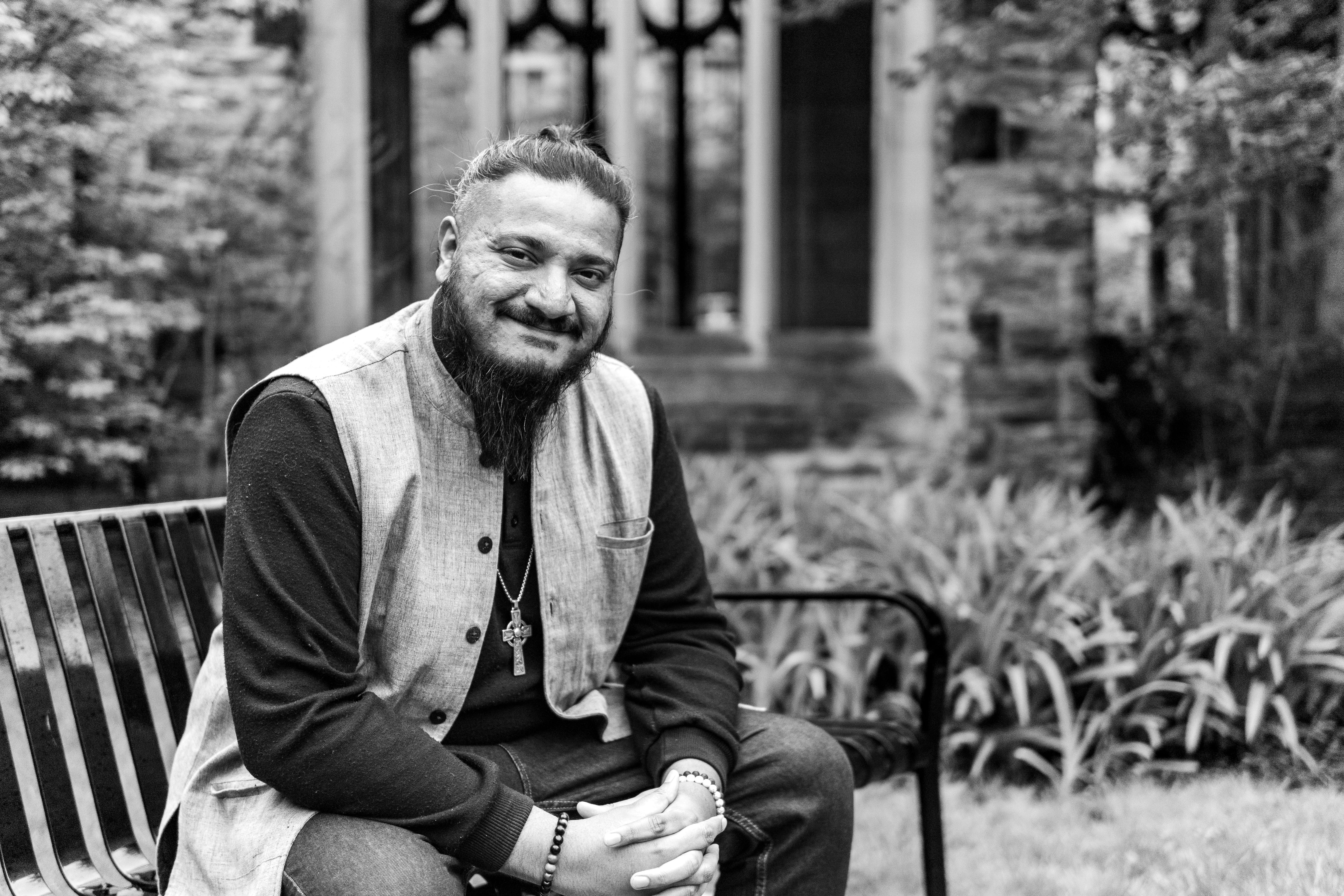
I write Part 3 of this Augustine vs. Celtic Christianity series from the United Kingdom - once home to many ancient Celtic Christians.
While this is only my second trip to the UK, I’ve noticed this generally about UK Christians and their Celtic Christian heritage: They either love it, hate it, or are completely unaware of it. The ones who love it are generally more open to conversations on decolonization and the ones who hate it are generally less curious or more antagonistic towards the ancient Celtic Christianity of their ancestors. And a people who hate the light of God in their own ancestors will always look down upon the light of God in other people groups they come into contact with.
While I will continue the ‘Decolonizing The Great Commission’ series and ‘Augustine vs. Celtic Christianity’ series with some exciting future parts in the days ahead, expect more details on my insights from this UK trip in an upcoming Substack series here - Field Notes from the Global Church. This brand new Masala Chai Theology series will contain unique insights and reports on the Global Church from my recent travels to nations such as India, the United Kingdom, Sri Lanka, the Philippines, Bolivia, Canada, the United States, etc. Think of these as Anthony Bourdain-type written reports from myself on insights, trends, and patterns I’m seeing from my recent visits across the Global Church. Again, this is a series exclusively for Paid Subscribers as I’ll be sharing a ton of sensitive information through this series. If you haven’t done this yet, now is a terrific time to jump in as a Paid Subscriber!
In Part 2 of Augustine vs. Celtic Christianity, we explored what it looks like to cultivate the eyes to see Jesus in what ancient Celtic Christians called ‘the big book’ (Creation) instead of just narrowing our imagination to the revelation in what they called ‘the little book’ (the Bible).
Here’s the big idea for Part 3 of this series:
Unlike Augustine and many modern Christians, ancient Celtic Christians didn’t believe that God made creation out of nothing (Ex Nihilio). Instead, ancient Celtic Christians believed that God made creation out of himself.
Now many of you might read this and think, “But Father Joash, what’s the big deal here? Isn’t this just theological potato-potahto?”
Believe me when I tell you this: I’m convinced that what we believe about how God created the heavens and the earth deeply shapes what we believe about our fellow beings in creation - especially fellow created beings (human beings but also plants, trees, and animals) on the margins of Empire.
Being raised in the best of the evangelical tradition, I was taught that what we believe about God shapes what we think about our neighbours. I think this is also true for what we think about God’s methodology for creation.
Here’s why: If God did indeed create creation out of himself as ancient Celtic Christians held to, every being in creation (human beings, plants, trees, animals, etc.) is created from the same essence as you and I - ‘God Substance’.
And if we truly think deeply about it - why wouldn’t it make sense that God would create all of creation out of himself? After all, God is perfectly revealed to us in Jesus, the perfect image of God (Colossians 1:15). Also, if Jesus is the exact imprint of God’s nature (Hebrews 1:3), and if Jesus embodies the self-giving and self-emptying (Kenosis) love of God (Philippians 2), it makes a ton of sense for God to have also made creation out of himself instead of out of nothing (or ‘Ex Nihilio’ as argued and crystallized into official church doctrine by Augustine).1
Now, this kind of theology is revolutionary. So revolutionary that Augustine weaponized it to get Pelagius declared as a heretic by the Roman Emperor in 418 AD - by getting the Emperor to think that Pelagius was trying to incite a working class revolution.
Here’s why this kind of ancient, precolonial theology is ultimately dangerous for Empire (I’ll keep the below insights + comments section exclusive to my Paid Subscriber community that generously funds my ministry as my inner community of chai conversation partners):
Keep reading with a 7-day free trial
Subscribe to Masala Chai Theology with Father Joash to keep reading this post and get 7 days of free access to the full post archives.